
Push payment fraud

Preventing Push Payment Fraud with Eftsure

Push payment fraud is a term for when fraudsters exploit vulnerabilities in payment processes to trick companies into making payments to fraudulent accounts. This can lead to significant financial losses, damaged reputations, and disrupted operations.

Businesses that fall victim to push payment frauds are typically liable for these frauds and retrieving funds can be a costly, difficult and often unsuccessful process.

Understanding Push Payment Fraud

Push payment fraud involves cybercriminals deceiving individuals or businesses into authorizing payments to fraudulent accounts. This can occur through phishing emails, fake invoices, or compromised vendor accounts. The consequences can be devastating, including:

  • Financial losses: Funds transferred to fraudulent accounts are often unrecoverable.
  • Operational disruption: Rectifying a push payment fraud incident can divert resources and disrupt business operations.
  • Reputation damage: Falling victim to push payment fraud can harm your business's reputation with customers and partners.


How Eftsure Prevents Push Payment Fraud

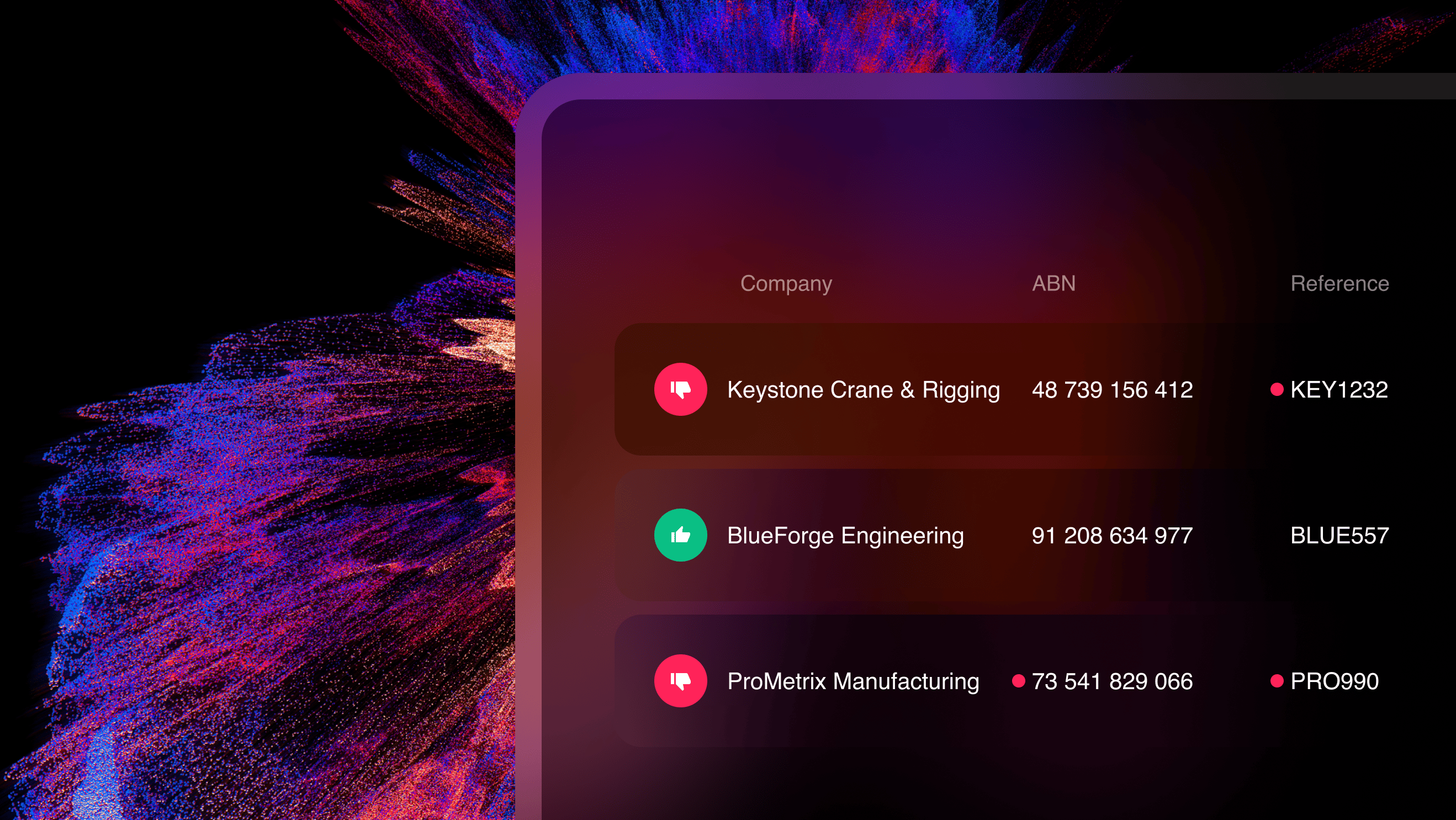
Eftsure offers a comprehensive solution to prevent push payment fraud by verifying payment details before any transaction is completed. Here's how Eftsure works:

  1. Real-time verification: Eftsure continuously monitors and verifies the bank account details of your payees against our extensive database. Any discrepancies are flagged immediately, ensuring payments are only made to verified accounts.
  2. Secure payment processes: Eftsure secures payment processes by verifying all payment details at the time of authorization. This ensures that only legitimate transactions are processed.
  3. Continuous monitoring: Eftsure continuously updates and monitors payment information, providing ongoing protection against evolving threats. Our system analyzes payment patterns to detect and prevent fraudulent activities.


Benefits of Using Eftsure

Implementing Eftsure's verification solution offers numerous benefits:

Enhanced Security

Protect your business from the financial and reputational damage caused by AI deepfake fraud.

Increased Efficiency

Streamline your processes with real-time verification and automated checks, eliminating the need for time-consuming manual verifications.

Peace of Mind

It can be increasingly difficult to detect deepfake fraud. But, with Eftsure’s payment protection, you can rest assured that your transactions are secure.

FAQs

Push payment fraud involves cybercriminals deceiving individuals or businesses into authorizing payments to fraudulent accounts. This can occur through phishing emails, fake invoices, or compromised vendor accounts.

Eftsure prevents push payment fraud by providing real-time verification of payment details. Our system continuously monitors and verifies the bank account details of payees, ensuring that payments are only made to verified accounts that belong to the intended recipient.

Signs of a push payment fraud attempt may include unexpected payment requests, changes in vendor payment details, or urgent payment instructions. Eftsure's system helps detect these anomalies and flags suspicious activities.

Eftsure secures payment processes by verifying all payment details at any time in the procure to pay process. This process helps ensure that only legitimate transactions are processed and that payments are made to verified accounts.

In addition to using Eftsure's verification solution, businesses can protect themselves by:

  • Implementing robust cybersecurity measures.
  • Training employees to recognize and report suspicious activities.
  • Establishing clear protocols for verifying payment requests.
  • Regularly updating and monitoring payment and security systems.


Yes. In addition to preventing push payment fraud, Eftsure also offers solutions to protect against vendor email compromise (VEC), AI deepfake fraud, and other types of cyber threats. Our comprehensive verification system helps secure your business's financial transactions and communications.

Related articles